
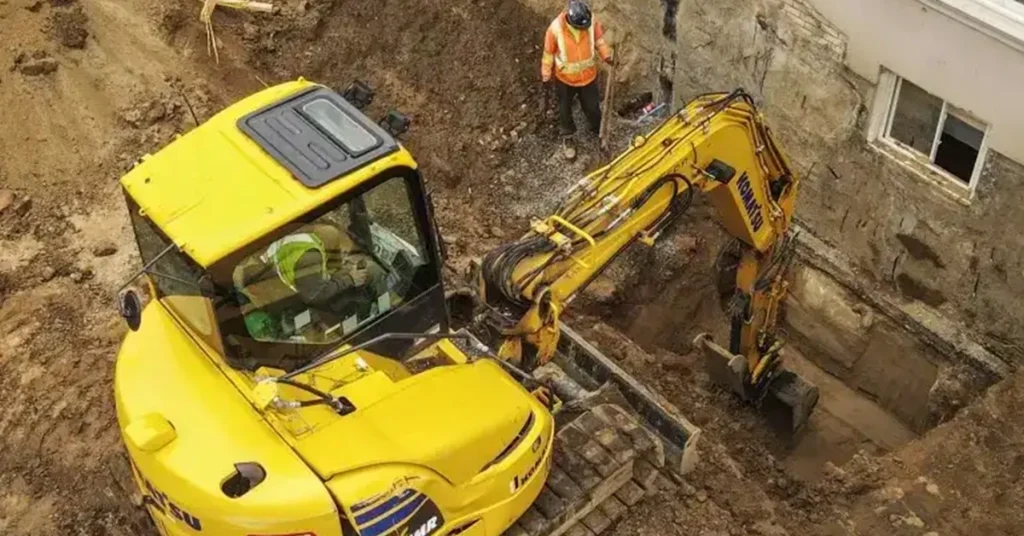
Many homeowners see underpinning as a straightforward way to lower a basement, increase ceiling height, add usable living space, or stabilize an older foundation. But underpinning is one of the most technically sensitive renovation projects because it involves excavating below or around the structure that supports the entire home. We get it: the prospect of turning a cramped, dark cellar into a bright, spacious rental suite or family room is exciting. However, putting a shovel into the ground without the right preparation is like putting the cart before the horse.
Mistakes during underpinning can lead to foundation cracks, uneven settlement, water problems, permit delays, safety hazards, neighbour disputes, and expensive repairs. Have you ever heard a horror story about a house shifting during a basement renovation? It happens. But here is the good news: most underpinning problems are preventable when the project is properly designed, permitted, engineered, sequenced, and finished by experienced professionals.
In this guide, we will explain the most common underpinning mistakes, why they happen, how to avoid them, and when to involve professionals before excavation begins. If you want to dive deeper into how we handle these projects safely, explore our professional underpinning services.
Key Takeaways: Protecting Your Home from the Ground Up
- Preparation is Everything: Never start an underpinning project without a thorough structural assessment and soil testing.
- Permits Are Non-Negotiable: Municipal approvals and engineered drawings keep your project safe, legal, and insurable.
- Sequencing Saves Structures: Excavating too much soil at once is a recipe for foundation failure. Controlled, staged digging is mandatory.
- Water Management is Crucial: Lowering a basement changes your home’s relationship with groundwater. Always integrate waterproofing and drainage.
- Expertise Trumps Price: Choosing a contractor based solely on the lowest bid can cost you significantly more in emergency repairs later.
What Is Underpinning and Why Is It So Risky When Done Wrong?
What Underpinning Does
At its core, underpinning strengthens or deepens an existing foundation by extending support below the current footing. It is commonly used for:
- Basement lowering
- Increasing basement ceiling height
- Stabilizing older foundations
- Supporting structural changes
- Addressing foundation settlement
- Creating stronger support for renovations
Why Underpinning Requires Careful Planning
Underpinning affects the home’s load-bearing system. Poor planning can compromise structural stability and create serious safety concerns. This is not the same as digging a hole in the backyard for a new garden shed. Underpinning is not the same as basic excavation because it involves:
- Load transfer
- Soil bearing capacity
- Foundation depth
- Temporary support
- Concrete curing
- Waterproofing and drainage
- Permit inspections
If even one of these elements is mismanaged, the structural integrity of your home is at risk.
Who Should Be Involved in an Underpinning Project?
A successful basement lowering project takes a village. To keep your property safe, mention the importance of bringing in the right experts early on. You will need:
- Structural engineer
- Qualified underpinning contractor
- Permit reviewer or municipal inspector
- Waterproofing specialist, if required
- Utility professionals where needed
Mistake #1: Starting Without a Proper Structural Assessment
Why This Is a Problem
Many homeowners start planning basement lowering based only on the desired ceiling height or renovation goal. They picture the final layout without considering what lies beneath. This is risky because the existing foundation, soil, nearby structures, and load-bearing walls must be assessed first. Assuming your home can handle a deeper basement without a professional review is a massive gamble.
What Can Go Wrong
When you skip the structural review, you are flying blind. The consequences can be severe:
- Existing foundation may not support the planned excavation
- Hidden cracks or weak masonry may worsen
- Adjacent walls may shift
- Load paths may be misunderstood
- The wrong underpinning method may be selected
How to Avoid It
We strongly recommend a full structural assessment before budgeting or excavation. A proper evaluation will set the stage for a safe project. Your assessment must include:
- Review of existing foundation condition
- Load-bearing wall assessment
- Footing depth review
- Crack and settlement evaluation
- Engineer involvement before permit submission
Avoid guesswork by booking a professional foundation assessment.
Mistake #2: Skipping Soil Testing or Ground Condition Review
Why Soil Conditions Matter
Soil conditions determine how deep the underpinning must go, how the excavation should be staged, and whether additional support is needed. Here in Ontario, ground conditions vary wildly from neighbourhood to neighbourhood. Common soil-related issues include:
- Clay soil movement
- Poor bearing capacity
- Loose or disturbed soil
- High groundwater
- Poor drainage around the foundation
- Previous excavation or backfill
What Can Go Wrong Without Soil Review
If you do not know what you are digging into, you will face nasty surprises. Skipping this step leads to:
- Incorrect footing depth
- Settlement after underpinning
- Water infiltration
- Foundation movement
- Unexpected redesigns during construction
- Increased costs after work begins
How to Avoid It
We recommend reviewing soil conditions early and involving an engineer where required. Not every project needs a massive, deep-bore geotechnical drilling crew, but ground conditions should never be assumed. A trained eye can spot the difference between stable native soil and problematic backfill.
Avoid guesswork by booking a professional foundation assessment.
Mistake #3: Choosing the Wrong Underpinning Method
Common Underpinning Methods
There is more than one way to support a foundation. The approach you take depends heavily on your specific property. Briefly, here are common approaches:
- Traditional concrete underpinning
- Bench footing
- Pile-based solutions
- Beam-supported systems
- Hybrid solutions for complex sites
Why the Wrong Method Causes Problems
The best method depends on a delicate balancing act of several factors:
- Existing foundation type
- Desired basement depth
- Soil condition
- Neighbouring structures
- Access limitations
- Budget
- Waterproofing requirements
- Permit and engineering requirements
If you are curious about the technical differences, our underpinning guide provides a great breakdown of your options.
Examples of Method Selection Mistakes
Picking the wrong strategy is like wearing snow boots to run a marathon. It just does not work. Common errors include:
- Choosing the cheapest method instead of the safest method
- Using benching when the homeowner wants maximum floor space
- Choosing an underpinning without considering the neighbour’s foundations
- Planning basement lowering without drainage upgrades
- Using a general contractor without underpinning experience
How to Avoid It
We recommend comparing methods based on safety, code compliance, long-term performance, and usability. Discuss your goals with an expert basement-lowering service provider in Toronto to ensure the chosen method aligns with your vision and budget.
Mistake #4: Not Getting the Right Permits Before Work Starts
Why Permits Matter for Underpinning
Underpinning usually affects the structure of the home, which means permits and approved drawings are often required before work begins. The Ontario Building Code is there to protect you. Permits help confirm:
- Structural design is reviewed
- Excavation sequence is documented
- Inspections are completed
- Safety standards are followed
- Work is recorded for future resale or refinancing
What Can Happen If You Skip Permits
Trying to fly under the radar with the City of Toronto is a bad idea. If caught, the municipality will not hesitate to enforce the rules. You could face:
- Stop-work orders
- Fines or enforcement issues
- Forced engineering reports
- Delays in construction
- Problems selling the property
- Insurance claim issues
- Requirement to expose or redo completed work
How to Avoid It
We always recommend confirming local municipal requirements before excavation. A standard checklist for approval will include:
- Building permit application
- Engineered drawings where required
- Contractor details
- Site plans
- Inspection schedule
- General review documents, if applicable
Not sure what permits your underpinning project needs? Speak with our team before you start.
Mistake #5: Ignoring the Angle of Repose and Neighbouring Foundations
What the Angle of Repose Means
In simple terms, the angle of repose relates to how soil supports nearby foundations. Imagine a pile of dry sand. It naturally forms a slope. Soil behaves similarly. When underpinning goes below the level of an adjacent footing, the neighbouring structure can be affected if the work is not properly designed.
Why This Matters in Toronto Homes
Many Toronto properties are close together, semi-detached, attached, or located on narrow lots. Houses in older neighbourhoods often share a party wall. This makes neighbour impact a major planning concern. You cannot alter the earth beneath your home without considering the house right next door.
Common Neighbour-Related Mistakes
Failing to plan for your neighbours can result in structural damage and ruined relationships. Watch out for:
- Not checking the adjacent footing depth
- Not planning for shared walls
- Not communicating with neighbours
- Ignoring vibration or access concerns
- Excavating too close to property lines
- Failing to document pre-existing cracks
How to Avoid It
Good fences make good neighbours, but so does proper engineering. We recommend:
- Engineer review
- Pre-construction condition documentation
- Clear communication with neighbours
- Proper excavation sequencing
- Monitoring during construction
- Permit compliance
Mistake #6: Poor Excavation Sequencing
Why Sequencing Is Critical
Underpinning must be completed in controlled stages. Removing too much soil at once can weaken the support under the home. Think of it like a game of Jenga. You cannot pull out too many blocks at the bottom without the whole tower coming down.
Common Sequencing Errors
Cutting corners on the digging schedule is exceptionally dangerous. Avoid:
- Excavating long sections at once
- Working out of sequence
- Removing support before concrete cures
- Rushing the project to save labour time
- Failing to brace or shore where required
- Not adjusting for site conditions
What Can Go Wrong
When sequencing fails, gravity takes over. The results are devastating:
- Foundation shifting
- Wall cracking
- Uneven settlement
- Partial collapse risk
- Failed inspections
- Costly emergency stabilization
How to Avoid It
We recommend a detailed engineer-approved excavation sequence and experienced site supervision. A professional team knows exactly how to break the foundation into numbered pins and tackle them systematically.
Protect your home with properly planned and staged underpinning.
Mistake #7: Overlooking Drainage and Waterproofing
Why Water Management Matters
Lowering a basement changes how water interacts with the foundation. By digging deeper, you often push the floor closer to the natural water table. If drainage and waterproofing are not addressed, the newly lowered basement may become vulnerable to leaks.
Common Drainage Mistakes
Water always finds the path of least resistance. Failing to manage it leads to serious headaches. Mistakes include:
- No exterior waterproofing plan
- Ignoring the old weeping tile
- Poor sump pump planning
- Not managing groundwater
- No vapour or moisture control
- Poor grading around the house
- Failing to redirect downspouts
Consequences of Poor Water Management
A flooded basement ruins all the hard work you just paid for. You could be looking at:
- Basement leaks
- Hydrostatic pressure
- Mould risk
- Concrete deterioration
- Damage to finished basement areas
- Costly repairs after renovation
How to Avoid It
We recommend integrating waterproofing and drainage into the underpinning plan from the outset, rather than after excavation is complete. Doing it right the first time allows you to truly enjoy the benefits of underpinning your basement without the fear of the next rainstorm.
Mistake #8: Choosing the Cheapest Contractor Instead of an Experienced Underpinning Team
Why the Lowest Quote Can Be Risky
Underpinning is specialized structural work, not a standard renovation task. A cheaper quote may leave out engineering coordination, permits, inspections, waterproofing, disposal, temporary support, or proper sequencing. If a price seems too good to be true, it is usually because vital safety steps are missing.
Red Flags When Hiring an Underpinning Contractor
Protect your investment by watching out for these warning signs during the quoting process:
- No underpinning portfolio
- No clear permit process
- Vague scope of work
- No mention of engineering
- No insurance documentation
- Very low pricing compared with other quotes
- No written timeline
- Poor explanation of the excavation stages
- Pressure to start immediately
What to Look for Instead
You want a partner who respects the complexity of the job. Look for a team that offers:
- Experience with basement lowering and underpinning
- Clear scope and process
- Permit and inspection support
- Engineer coordination
- Safety-first planning
- Transparent pricing
- Strong communication
- Local knowledge of Ontario homes
Choose an experienced underpinning team before excavation begins.
Mistake #9: Attempting DIY Underpinning
Why DIY Underpinning Is Dangerous
DIY underpinning can put the entire structure at risk because homeowners may not understand load transfer, soil conditions, shoring, excavation stages, concrete strength, or permit requirements. Watching a few online tutorials does not replace years of structural engineering and on-site experience.
Common DIY Underpinning Problems
When amateurs grab a shovel, things go wrong quickly. Common issues include:
- Digging in the wrong location
- Excavating too much at once
- Using incorrect concrete mixes
- No engineering design
- No permit
- No inspection
- Poor drainage planning
- No temporary support
- Misreading cracks or settlement signs
Why Professional Help Is Safer
A professional team can coordinate the engineering, permits, excavation, concrete work, waterproofing, inspections, and safety planning required for a successful project. Your home is likely your biggest financial asset. Leave its foundational support to the experts.
Mistake #10: Ignoring Early Signs of Foundation Movement
Warning Signs Homeowners Should Not Ignore
Before you even plan an underpinning project, your house might be trying to tell you something. Keep an eye out for:
- Diagonal wall cracks
- Stair-step cracks in brick or block
- Doors or windows sticking
- Uneven floors
- Basement wall movement
- Gaps around trim or frames
- Water seepage near foundation walls
- New cracks after nearby construction
Why Waiting Can Increase Costs
Small foundation issues may become larger structural problems if ignored. A hairline crack today can turn into a major structural failure tomorrow. Early assessment can help determine whether underpinning, drainage repair, crack repair, or another solution is needed.
How to Avoid It
We recommend documenting warning signs and booking a professional inspection before planning major renovations. Catching issues early is always cheaper than fixing them late.
Mistake #11: Not Budgeting for Hidden Costs and Project Changes
Why Underpinning Budgets Can Change
Underpinning costs may change when crews discover unexpected site conditions. Once we start digging, the earth occasionally throws us a curveball. A flexible budget is a stress-free budget.
Common Hidden Cost Factors
You should always have a contingency fund. Be prepared for variables such as:
- Poor soil conditions
- Additional engineering requirements
- Waterproofing upgrades
- Drainage improvements
- Utility adjustments
- Concrete disposal
- Access limitations
- Neighbouring structure concerns
- Permit delays
- Structural repairs discovered during work
How to Avoid Budget Surprises
We recommend getting a detailed scope that separates all the critical stages. Ask your contractor to break down the basement underpinning cost in Toronto so you know exactly where your money is going:
- Engineering
- Permits
- Excavation
- Concrete
- Waterproofing
- Drainage
- Disposal
- Inspections
- Finishing work
Mistake #12: Forgetting About Inspections and Documentation
Why Inspections Matter
Inspections confirm that the work is being completed in accordance with approved plans and safety requirements. The municipal inspector is an impartial third party ensuring your contractor is doing the job right.
Documentation Homeowners Should Keep
Never rely solely on a handshake. Keep a physical or digital folder containing:
- Permit records
- Approved drawings
- Engineering letters
- Inspection reports
- Contractor agreement
- Waterproofing details
- Photos of work stages
- Warranty documents
- Final approval records
How Documentation Helps Later
Proper records are worth their weight in gold down the road. They can help with:
- Resale
- Insurance
- Refinancing
- Future renovations
- Buyer confidence
- Proving work was completed properly
How to Avoid Underpinning Mistakes: Homeowner Checklist
Before starting underpinning, homeowners should confirm that the following steps are addressed. Think of this as your personal safety net:
- The foundation has been professionally assessed
- Soil and site conditions have been reviewed
- The correct underpinning method has been selected
- Permit requirements have been confirmed
- Engineered drawings are prepared where required
- Neighbouring foundations have been considered
- Drainage and waterproofing are included in the plan
- Excavation sequencing is clearly documented
- The contractor has underpinning experience
- Insurance and safety procedures are confirmed
- Inspections are scheduled
- Final documentation will be provided
Ready to plan your project safely? Request an underpinning consultation today.
When Should You Call an Underpinning Professional?
Call Before You Start Basement Lowering
Homeowners should speak with professionals before demolition, excavation, or design decisions are finalized. Bringing an expert in early saves time, money, and frustration.
Call If You Notice Structural Warning Signs
Mention cracks, settlement, water issues, uneven floors, and shifting walls. If your house feels like it is moving, it probably is.
Call If You Are Unsure About Permits
Early guidance can prevent delays, redesigns, and stop-work issues. Municipal bureaucracy can be confusing, but professionals navigate it daily.
Call Before Buying a Home With Foundation Concerns
Buyers should understand potential underpinning requirements before closing. A pre-purchase consultation can save you from inheriting someone else’s expensive structural headache.
Why Choose MAGCOR for Underpinning Projects in Ontario
MAGCOR helps homeowners plan underpinning and basement-lowering projects with a focus on safety, compliance, and long-term structural performance. Underpinning requires more than excavation; it requires careful planning, proper sequencing, engineering coordination, drainage consideration, and clear communication from start to finish.
The team can help homeowners understand the project scope, avoid common planning mistakes, coordinate the right professionals, and complete work with attention to structural safety and property protection. Whether the goal is to lower a basement, strengthen an older foundation, or prepare for a larger renovation, MAGCOR provides the guidance and technical support needed to move forward confidently.
Securing Your Home’s Future: A Quick Recap on Smart Underpinning
Lowering your basement or stabilizing your foundation is a fantastic investment, provided it is done correctly. As we have covered, success comes down to thorough preparation, rigorous engineering, and working with a trusted local team. Skipping soil tests, ignoring the angle of repose, or hiring an inexperienced crew can turn a dream renovation into a nightmare. By prioritizing municipal permits, controlled excavation sequencing, and proper waterproofing, you protect your property’s structural integrity for decades to come. Do not let hidden costs or DIY temptations derail your vision. Start with a solid plan, partner with MAGCOR, and watch your basement transform safely and effectively.
Get expert help with your underpinning project and book a basement lowering assessment before you start.
Avoid Costly Foundation Mistakes With Professional Guidance
