
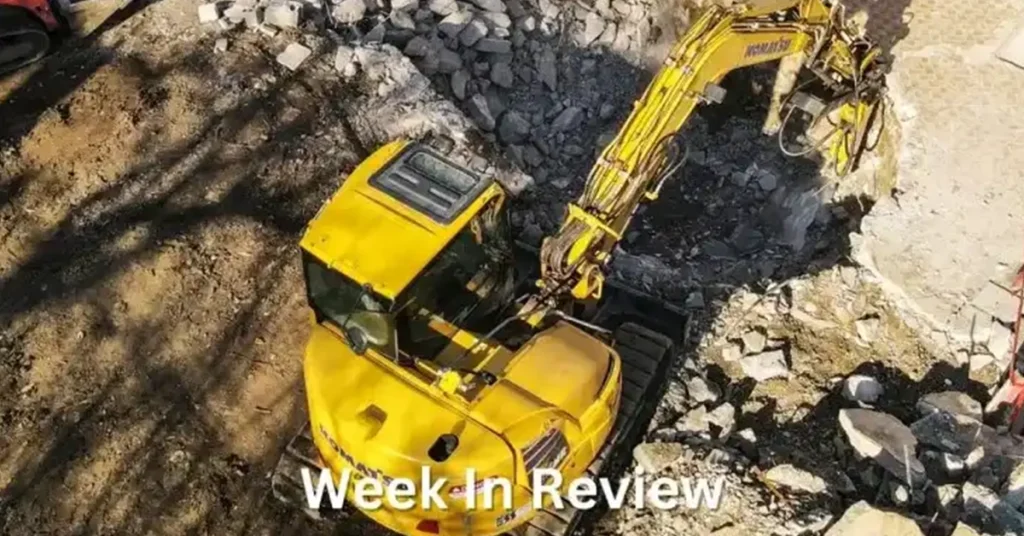
Every long-lasting construction project begins below the surface. Before concrete is poured, walls are framed, or utilities are installed, the excavation phase determines whether the site can properly support the structure. Have you ever wondered why some buildings stand strong for generations while others develop cracks in their foundations within a few years? The secret is usually buried in the dirt.
Poor excavation can lead to foundation settlement, drainage failure, soil movement, cracking, erosion, and expensive repairs years after construction finishes. In this guide, we will explore exactly how excavation impacts construction longevity, what can go wrong when it is done poorly, and why professional excavation planning is essential for durable construction.
Key Takeaways:
- Excavation is the anchor of your entire build. If the soil preparation is weak, the structure above it will suffer.
- Correct grading and drainage are non-negotiable for keeping water away from your foundation and preventing erosion.
- Soil testing and proper compaction prevent uneven settlement, keeping your floors level and walls crack-free.
- Hiring experienced professionals to manage your construction site excavation reduces long-term maintenance costs and structural risks.
Why Excavation Matters Before Construction Begins
Excavation Creates the Base for the Entire Project
Think of excavation as the stage where the entire performance of your build takes place. It prepares the ground for foundations, slabs, driveways, utilities, drainage systems, and site structures. Construction strength depends entirely on what happens below the surface. Even small excavation errors during site preparation for construction can ripple outward and affect later phases of the project. If the base is uneven, every trade that follows will be fighting an uphill battle.
Excavation Connects Design Plans to Real Site Conditions
Paper plans are pristine, but real-world soil is unpredictable. Site drawings must match actual soil, slope, drainage, and elevation conditions. Excavation helps reveal hidden issues such as soft soil, buried debris, rock, hidden water tables, or forgotten underground utilities. Proper site evaluation allows project managers and builders to adapt to the reality of the terrain before construction advances past the point of no return.
Poor Excavation Can Shorten a Project’s Lifespan
When the groundwork is rushed, the future of the building is compromised. Poor excavation leads to notorious issues such as foundation cracks, uneven settlement, water pooling, aggressive erosion, pavement failure, utility damage, and retaining wall movement. Many future structural problems begin right here during early site preparation. If you want to know, “How does excavation affect the lifespan of a construction project?” just look at a sinking driveway or a flooded basement.
How Proper Excavation Supports Foundation Stability
Removing Weak or Unstable Soil
Not all dirt is created equal. Organic material, loose soil, buried debris, and unsuitable fill can severely compromise a foundation. Proper excavation removes this unstable material before construction begins. By replacing weak material with engineered fill, contractors create a much stronger base capable of bearing heavy loads.
Achieving Proper Excavation Depth
Excavation for building foundation structures must reach the correct depth per specific engineering requirements. Digging too shallow can reduce structural support. Digging too deep without proper backfill can create dangerous instability. Accurate depth helps foundations carry building loads safely, ensuring the weight is distributed exactly as the structural engineer intended.
Preventing Uneven Settlement
Uneven settlement happens when the soil beneath a structure compresses at different rates. Imagine one corner of your house sinking an inch deeper than the rest. Proper excavation, compaction, and grading dramatically reduce these settlement risks. This is exactly how excavation prevents foundation problems, securing long-term structural integrity and saving property owners from massive repair bills.
Protect your project from settlement and foundation issues with expert excavation support
The Role of Soil Testing and Compaction in Project Longevity
Why Soil Type Matters
Different soils behave differently under varying loads and moisture conditions. Here in Toronto and across Ontario, we deal with a wide variety of ground conditions. Clay, sand, silt, gravel, and mixed soils each require a unique preparation approach. Soil conditions heavily influence excavation depth, drainage needs, compaction methods, and foundation design. Knowing your soil type is the first step in protecting your investment.
How Soil Testing Guides Excavation Decisions
Guesswork has no place on a construction site. Soil testing helps determine moisture content, density, bearing capacity, and specific compaction requirements. It gives excavation contractors the exact data they need to make smart, safe decisions. Without testing, you are simply hoping the ground will hold.
Why Proper Compaction Is Critical
Have you ever stepped on freshly turned dirt and felt your foot sink? Now imagine placing tons of concrete on that same loose dirt. That is why soil compaction matters in construction. Compaction increases soil density and reduces future movement. Poor compaction can lead to sinking, shifting, cracking, and unwanted water retention. To be effective, compaction should always be completed in controlled layers and never rushed.
How Excavation Affects Drainage and Water Management
Proper Grading Directs Water Away From Structures
Water is the natural enemy of any building. Grading shapes the site so water naturally flows away from foundations, paved surfaces, and retaining walls. Poor grading does the exact opposite, pushing water toward the building and causing serious moisture intrusion. Construction grading and drainage are vital defences against the elements.
Drainage Prevents Erosion and Soil Movement
Uncontrolled water can wash away soil, weaken the foundation, and create dangerous voids beneath concrete slabs. Proper excavation supports the installation of swales, drains, culverts, and advanced stormwater systems. Effective erosion control protects long-term site stability, ensuring your property does not slowly wash away during heavy spring rains.
Moisture Control Protects Foundations and Pavement
Standing water increases the risk of heaving, cracking, and base failure. This is especially true during Canadian freeze-thaw cycles, where trapped moisture expands as ice and destroys concrete. Proactive drainage planning helps prevent premature deterioration. Whether it is for custom homes, commercial buildings, driveways, parking lots, or retaining walls, controlling moisture is essential for longevity.
Need proper grading and water management? Speak with our excavation team.
How Excavation Impacts Structural Durability Over Time
Reducing Foundation Cracks
A stable base means a stable building. Stable soil and correct excavation reduce stress on foundation walls and concrete slabs. On the other hand, poor excavation can create uneven pressure and unexpected movement, which eventually tears concrete apart. Proper excavation for construction projects keeps things solid.
Preventing Shifting and Soil Movement
Good excavation planning accounts for slope, groundwater, soil type, and load-bearing needs. If you skip this preparation, the soil may move after construction is finished. The ground is a living thing, and without proper containment and preparation, it will shift and take your building with it.
Supporting Retaining Walls and Site Structures
Retaining walls hold back tons of earth, meaning they need correct footing depth, excellent drainage, and proper backfill. Poor excavation can cause these heavy walls to lean, bulge, or experience total failure. We see this often in both commercial and residential examples, where a cheap retaining wall job turns into a landscaping disaster.
Protecting Pavement, Driveways, and Parking Areas
Excavation directly affects the base beneath any paved surface. If you are wondering how site preparation improves construction durability, look at a flawless parking lot. Poor base preparation causes potholes, ugly cracks, sinking asphalt, and premature resurfacing needs
The Connection Between Excavation and Utility Installation
Accurate Trenching Protects Underground Utilities
Utility trenches require correct depth, a precise slope, proper bedding, and secure backfill. Poor trenching can lead to pipe movement, catastrophic breaks, or nagging drainage issues. Whether you are dealing with water lines, sewer lines, storm drains, electrical conduits, or gas lines, accurate trenching keeps these vital systems safe.
Proper Backfilling Prevents Future Ground Movement
Once the pipes are in, the dirt has to go back. However, backfill must be properly placed and compacted. Poor backfill can settle over time, creating sunken trenches that damage finished surfaces, driveways, and landscaping above.
Utility Coordination Helps Avoid Rework
Excavation teams must coordinate smoothly with engineers, utility providers, and other contractors. Clear communication and coordination reduce costly delays and prevent dangerous conflicts, like striking a hidden gas main.
What Happens When Excavation Is Done Poorly?
Foundation Settlement and Cracking
When you cut corners on digging, the building pays the price. Poor excavation causes uneven support beneath the structure. This inevitably leads to foundation cracks, slab movement, and massive wall stress that can render a building unsafe.
Drainage Failures and Water Damage
Incorrect grading can cause water to pool aggressively near the building. Over time, these water issues lead to soil erosion, basement leaks, and severe structural deterioration. What happens when excavation is done poorly? You end up buying a lot of sump pumps.
Pavement and Surface Failure
Driveways, private roads, and commercial parking areas can crack, sink, or develop massive potholes. Property owners often blame the paving company, but these problems almost always trace back to terrible base preparation during the initial dig.
Costly Rework and Delays
Nobody likes doing the same job twice. Poor excavation may require re-excavation, additional fill materials, desperate drainage correction, expensive engineering reviews, or even total reconstruction. These delays create a domino effect that impacts every trade that follows.
Avoid expensive rework by getting the site prepared correctly from the start.
How Professional Excavation Improves Construction Efficiency
Better Planning Before Equipment Arrives
Professional contractors assess site access, soil conditions, slope, utilities, drainage, municipal permits, and task sequencing long before a shovel hits the dirt. Strong planning reduces nasty surprises once construction officially starts. If you want to understand our approach, you can read our comprehensive excavation methods guide to see how we tackle different terrains.
Accurate Equipment Selection
Different projects require different machines. Excavators, compactors, graders, loaders, and specialized trenching equipment must perfectly match the site size and soil conditions. Using the wrong machine can damage the site or drastically slow down the timeline.
Safer and Faster Site Work
Experienced crews reduce hazards around open trenches, steep slopes, heavy equipment, and sensitive underground services. Proper sequencing keeps the project moving swiftly without ever compromising on quality or safety.
Improved Coordination With Other Trades
Professional excavation contractors know they are part of a larger ecosystem. Excavation directly affects foundation contractors, plumbers, electricians, concrete crews, landscapers, and paving teams. By doing the job right, we make everyone else’s job easier.
Key Excavation Factors That Influence Project Lifespan
Soil Conditions
Soil type, density, moisture levels, and bearing capacity all dictate how a building will perform decades from now.
Site Drainage
Water movement simply must be planned before construction begins. Ignoring it guarantees future water damage.
Excavation Depth and Accuracy
Hitting the correct depth supports proper foundation installation and ensures grading works as intended.
Compaction Quality
Proper compaction squeezes out air pockets, reducing settlement, shifting, and hidden underground voids.
Backfill Material
The right type of backfill helps stabilize foundations and keeps delicate utilities firmly in place.
Weather and Seasonal Conditions
Rain, harsh freeze-thaw cycles, and wet soil can severely affect excavation quality. Knowing how to manage Ontario weather is a crucial skill.
Contractor Experience
Skilled contractors understand how to adapt quickly to unexpected site challenges without compromising long-term durability.
How Excavation Helps Reduce Long-Term Maintenance Costs
Fewer Foundation Repairs
Starting with stable excavation drastically reduces the risk of structural cracking, unwanted movement, and the need for stressful foundation correction down the road.
Less Drainage Repair Work
When grading and drainage are established correctly on day one, property owners spend far less money fighting water pooling and landscape erosion in the future.
Longer-Lasting Driveways, Parking Lots, and Walkways
A deeply stable base helps all paved surfaces last significantly longer, delaying the need for expensive repaving.
Reduced Risk of Emergency Repairs
Proper excavation prevents hidden underground problems from mutating into expensive, late-night emergency failures.
Start your project with excavation planning that protects your long-term investment.
Why You Should Hire a Professional Excavation Contractor
Knowledge of Site Conditions and Soil Behaviour
Professional contractors genuinely understand how soil, slope, water tables, and load requirements intersect to affect the longevity of construction. They read the land before they dig.
Proper Equipment and Skilled Operators
An experienced crew uses the right equipment for digging, precision grading, safe trenching, backfilling, and deep compaction. It is not just about having big machines; it is about knowing exactly how to use them.
Safer Excavation Practices
Professional excavation services for construction projects reduce risks around deep trenches, live utilities, heavy machinery, and unstable ground. Safety protects the workers and keeps your project legally compliant.
Better Long-Term Results
Why proper excavation is important for construction comes down to peace of mind. The right contractor helps you prevent settlement, severe drainage problems, erosion, and budget-breaking rework.
Plan your excavation with experienced professionals before breaking ground.
Why Choose Magcor for Excavation and Site Preparation
Magcor helps property owners, developers, and general contractors start construction projects with safe, accurate, and dependable excavation work. From detailed site preparation and precision grading to foundation excavation, specialized trenching, secure backfilling, and demolition-related site work, our team understands exactly how early groundwork affects the strength and lifespan of your entire project. If you are curious about the steps involved, check out our breakdown of the construction site excavation process to see how we handle projects from start to finish.
Operating in Toronto and the Greater Toronto Area means we know local soil behaviours, municipal regulations, and how to conquer challenging Ontario weather conditions. We bring professional-grade equipment and a strict safety-focused approach to every job site. Furthermore, we excel at coordinating our excavation work seamlessly with demolition, grading, drainage, and other construction requirements to keep your schedule intact.
Magcor focuses on preparing sites properly from the very beginning so our clients can reduce frustrating delays, avoid costly rework, and build on a stronger foundation. We do not just dig holes; we engineer the base for your future success.
Digging Deeper: The Foundation of Lifelong Construction Success
Excavation and construction longevity are forever linked. As we have covered, what happens before the concrete arrives dictates the lifespan of the entire property. From removing unstable soil and managing complex water drainage to executing flawless soil compaction for construction, every bucket of dirt moved matters. Proper excavation ensures your foundation remains stable, your utilities stay secure, and your property avoids the devastating costs of uneven settlement. A strong building simply cannot exist without a strong foundation, and that foundation requires professional excavation to thrive.
