
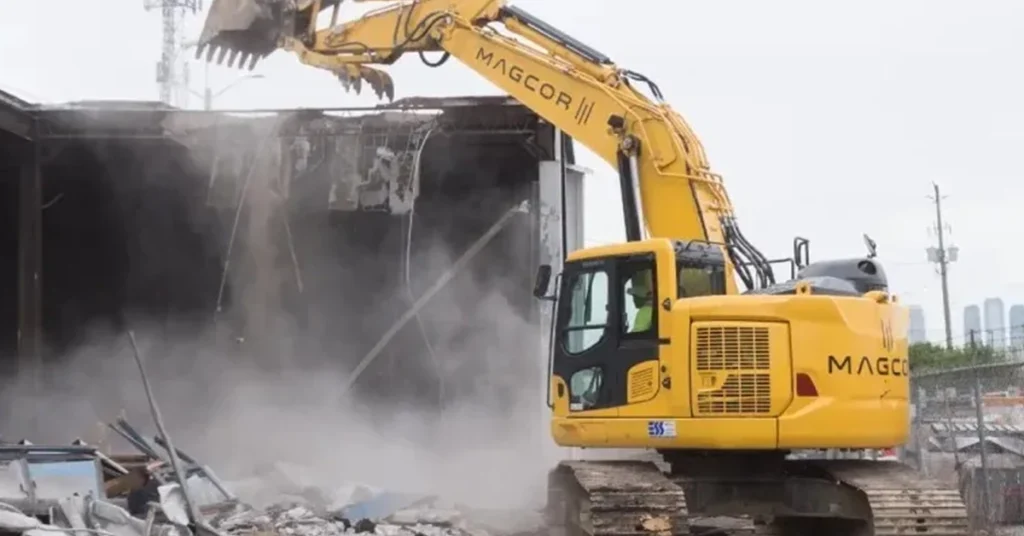
Let’s paint a picture. A house, commercial building, or interior space comes down. To the casual observer on a Toronto sidewalk, it looks like a mountain of broken pieces. A loader scoops it up, tosses it into a truck, and it drives off. Out of sight, out of mind, right? The common assumption is that all construction and demolition waste takes a one-way trip to the local landfill.
But the reality of what happens to demolition waste is far more involved. Depending on your project, those leftover materials embark on very different journeys. Some debris is separated for recycling construction materials, certain components are salvaged for another life, and other items are sent for appropriate disposal. Whether it is concrete, metal, wood, or mixed construction debris, planning how to handle these materials makes your project more efficient and environmentally conscious. Consider this your simple walkthrough of where demolition waste goes and the true lifecycle of your building materials after they leave the site.
Key Takeaways
- Not all debris ends up in a landfill: Planning and source separation allow many materials to be directed to recycling facilities or material recovery centres.
- Material types dictate the journey: Concrete, metals, wood, fixtures, and mixed debris each require distinct handling and processing methods.
- Reuse and recycling serve different purposes: Reusing preserves a component in its original form, while recycling generally processes it into a new usable material.
- Deconstruction increases salvage potential: carefully taking a building apart yields more reclaimed materials, such as doors, windows, and lumber.
- Hazardous materials require specialized care: Suspected asbestos-containing materials or contaminated items must never enter the ordinary demolition waste management stream.
What Is Demolition Waste?
In simple terms, demolition waste is the debris left behind when a structure is knocked down or dismantled. This C&D waste (construction and demolition waste) is generated across a variety of projects. You will see it during full building removals, partial tear-downs, interior commercial strip-outs, home renovations, and even when taking down a backyard shed. It is also a major byproduct of selective demolition and deconstruction waste recovery.
Common examples of this material include concrete, brick, wood, steel, drywall, roofing materials, and flooring. You might also find windows, doors, plumbing materials, electrical components, cabinets, glass, insulation, and general mixed debris. The exact composition varies widely depending on the structure’s age, the building methods used, and the scope of the tear-down.
Where Does Demolition Waste Go?
So, where does demolition waste go once the dust settles? It does not just vanish. The material moves through several careful stages. First comes the actual dismantling. Next is on-site waste sorting, where crews separate materials if space and conditions allow. Then come the loading of bins or trucks for construction debris removal, followed by transportation off the project site. Finally, the materials arrive at a transfer station, a dedicated processing plant, or an approved disposal site. Here, they undergo recycling, recovery, salvage, or appropriate demolition landfill waste disposal.
Demolition Waste: Recycle, Reuse or Dispose?
Understanding the terminology makes navigating demolition debris disposal much easier. Here is a quick look at the main paths your materials might take.
| Option | What It Means | Example |
| Recycling | Material is processed into another usable material or product | Concrete crushed into aggregate |
| Reuse | A usable material or component is preserved for another application | A brick, beam, or door used again |
| Salvage | Components are carefully removed so they remain usable | Windows, lumber, or architectural features |
| Disposal | Material that cannot be recovered enters an approved disposal stream | Mixed or contaminated debris |
How Is Demolition Waste Processed?
Separating materials is a cornerstone of responsible demolition. When materials are mixed together, they become difficult to recover. Sorting them creates clear lanes for demolition recycling and proper disposal.
Sorting Materials at the Demolition Site
When site conditions allow, crews use source separation right on the property. As the work progresses, materials are placed into dedicated streams. You will typically see distinct piles or bins for concrete and masonry, scrap metal, wood, reusable fixtures, and mixed debris. This proactive demolition site cleanup approach makes the entire process run smoother.
Sorting After Material Leaves the Site
Sometimes, sites lack the footprint for multiple bins. In these cases, mixed debris is transported to specialized facilities. At these locations, heavy machinery and sorting lines separate recoverable materials from non-recoverable waste. Keep in mind that not every facility accepts or processes the exact same materials.
What Happens to Concrete After Demolition?
Concrete accounts for a large portion of the weight in many projects. Concrete recycling is a very practical process. It is separated from other debris, and any embedded reinforcing metal is pulled out. The concrete is then crushed and graded into usable aggregate. This recycled material is often used as a base layer for roads, driveways, and other construction applications. While foundations, slabs, and sidewalks are common sources, you should not assume every load of concrete will automatically be recycled, as contamination can sometimes be a factor.
What Happens to Bricks and Masonry?
Brick and masonry have a few different avenues depending on how intact they remain.
Reusing Intact Brick
Carefully salvaged building materials, like whole bricks, hold great value. When preserved, they are excellent for renovations, landscaping, architectural restoration, and decorative applications. Reclaimed brick adds instant character to a new space.
Recycling Broken Masonry
When bricks are shattered or masonry is crumbled, they are no longer fit for building walls. However, brick recycling often allows these broken pieces to be processed into aggregate or secondary materials, depending on local processing availability.
What Happens to Metal From a Demolition Site?
Sorting metal from mixed waste is a staple of good demolition waste management. Common items include structural steel, reinforcing rebar, copper wiring, aluminum frames, metal roofing, pipes, ductwork, and fixtures. Once recovered, these metals head to scrap metal recycling streams. There, they are sorted by type and eventually melted down to manufacture new products, keeping valuable resources in the loop.
What Happens to Wood and Lumber?
Wood is versatile, but its destination depends heavily on its condition, dimensions, and whether it has been treated or painted.
Reuse and Salvage
Intact, high-quality wood is a prime candidate for salvage. Structural timber, heavy beams, framing lumber, hardwood flooring, trim, doors, and architectural woodwork can often be recovered. Reclaimed lumber is prized in the design world for its durability and historic charm.
Wood Recycling
Wood that cannot be reused still has potential. Depending on the facilities available in your area, clean, untreated wood can be recycled into mulch, particleboard, or biomass fuel. However, chemically treated, painted, or composite wood requires different handling and often goes to designated disposal facilities rather than standard recycling lines.
What Happens to Doors, Windows and Fixtures?
This is where we see the distinct value of deconstruction over standard structural teardowns. Before the heavy machinery rolls in, crews can carefully remove intact items. Doors, windows, cabinetry, plumbing fixtures, lighting, hardware, and decorative flooring can be gently extracted. These salvaged items might be reused on your same property, donated to charitable organizations, resold, or reclaimed for another build.
What Happens to Drywall and Gypsum?
Drywall presents unique challenges compared to steel or concrete. Recycling gypsum depends on a few factors. Is the material clean? Are there heavy layers of paint, embedded fasteners, or signs of water and mould damage? Clean, unpainted drywall trimmings often have recycling options, but mixed or contaminated drywall usually requires an alternative disposal route.
What About Glass, Plastics and Other Materials?
A modern building contains a vast mix of products. Window glass, plastic PVC piping, vinyl siding, insulation, composite roofing materials, and assorted packaging can be tricky to process. Whether these items are recyclable depends entirely on the specific material composition, the presence of contamination, the ability to separate bonded components, and the capabilities of your local processing plants.
What Demolition Materials Cannot Simply Go Into Regular Waste?
Older structures hide secrets. Before tearing down a wall, you have to know what is inside it. Materials suspected of being hazardous must never be tossed into a standard bin. Asbestos-containing materials, certain lead-painted items, and other contaminated substances require professional identification. If you suspect these are present, they need to be professionally assessed and managed safely before the ordinary demolition continues. Do not attempt to handle these yourself.
How Does Deconstruction Reduce Demolition Waste?
Deconstruction is the art of unbuilding. While traditional demolition focuses on bringing a structure down efficiently, deconstruction prioritizes taking it apart carefully. This deliberate dismantling maximizes the recovery of usable building components. By slowing down the process, crews can save doors, windows, lumber, beams, brick, flooring, and metal components. When you explore our sustainable deconstruction services, you will see how this method actively diverts usable goods from the landfill.
Why Can’t Every Demolition Material Be Recycled?
It is an admirable goal to aim for zero waste, but we must consider the practical limitations. Why can’t everything be recycled?
- Materials are often bonded together and hard to separate.
- Products may be severely damaged during tear-down.
- Contamination from soil, chemicals, or weather ruins recyclability.
- Local recycling facilities may have strict acceptance criteria.
- Transportation logistics sometimes outweigh the environmental benefit.
A responsible demolition project aims for high recovery, but achieving total recycling is rarely feasible in the real world.
Why Is Demolition Waste Diversion Important?
Landfill diversion is a major priority for modern builders. Keeping usable materials out of the dump reduces environmental strain. It recovers valuable resources, lessens the demand for virgin materials, and extends the useful life of existing building components. By supporting the reuse of construction materials and the circular economy, we encourage more sustainable construction practices across the board.
Does Recycling Demolition Waste Reduce Project Costs?
This is a question on the mind of every property owner. The honest answer is that it depends. Recycling and material reuse can sometimes offset disposal fees or create value from salvaged goods. However, savings are never guaranteed. You must factor in the labour required for separation, the transportation to specific processing plants, the current market value of scrap, and the time added to the project timeline. A well-planned strategy looks at the big picture rather than assuming that recycling construction materials is an automatic cost-cutter.
Demolition vs Deconstruction: Which Produces Less Waste?
If reducing waste is your primary goal, deconstruction generally wins. It prioritizes intact recovery. Conventional demolition focuses on speed and structural removal, though modern techniques still allow for significant material sorting and recycling. If you are weighing your options, our guide on Deconstruction vs. Demolition: Cost, Timeline & Environmental Impact provides a deeper look at which method suits your goals.
How MAGCOR Manages Demolition Waste
Handling waste properly requires a plan before a single wall is breached. At MAGCOR, our approach starts with a thorough project assessment. We establish safe work areas, plan for controlled demolition, and determine the best paths for material separation. When managing deconstruction waste, we actively salvage reusable materials. From loading and removing debris to ensuring appropriate material streams reach the right recycling or disposal facilities, we coordinate the entire workflow. If you need reliable, professional demolition services, we ensure hazardous material considerations and final site cleanup are handled with precision.
Questions to Ask About Waste Before Starting a Demolition Project
Before you swing a sledgehammer, ask the right questions. What specific materials will this project generate? Can any reusable components be safely removed beforehand? Which items are good candidates for recycling as demolition material? Is deconstruction a better fit for part of the building? You also need to know if hazardous material assessments have been completed. Understand how the debris will leave the site, where different materials are headed, and who is responsible for the final cleanup. We also recommend checking our Residential Demolition Checklist: Complete Guide from Start to Finish to help you prepare.
Common Misconceptions About Demolition Waste
Everything from demolition goes directly to landfill.
Many projects utilize a mix of recycling, recovery, salvage, reuse, and disposal streams. It is rarely a single destination.
Recycling and reuse mean the same thing.
Reused materials are kept largely intact for a similar purpose. Recycled demolition materials are processed and broken down to create something new.
Demolition cannot be environmentally responsible.
Careful planning, sorting, salvage, deconstruction, and recycling construction materials dramatically reduce unnecessary disposal.
Every building material can be recycled.
Material condition, contamination levels, and the capabilities of local processing facilities dictate what can actually be recycled.
Hazardous materials can be handled with normal demolition debris.
Regulated materials require specific, professional management and can never be mixed with general construction debris.
Why Choose MAGCOR for Your Demolition Project?
Finding the right partner makes all the difference. MAGCOR is a fully licensed and insured Ontario demolition contractor serving the GTA and Southern Ontario. We handle residential, commercial, and industrial projects, offering both partial and full removals, as well as specialized deconstruction. Our team brings modern equipment, coordinates necessary permits, and manages hazardous material abatement. We prioritize efficient debris removal, site cleanup, and strict waste management considerations so your property is ready for its next chapter.
Plan What Happens to the Waste Before Demolition Begins
Demolition waste does not follow a single path. Your concrete, metal, wood, brick, drywall, windows, and doors all require different handling depending on their condition. Mapping out a strategy for material recovery before the work starts allows you to identify salvageable items, separate recyclable materials, and safely manage any hazardous substances. When you plan, you keep unnecessary debris out of the landfill and keep your site organized. Contact MAGCOR today to discuss a strategy that includes safe demolition debris recycling in Toronto, appropriate recovery, and thorough site cleanup.

Pingback: The Art & Science of Demolition: A Comprehensive Guide | MAGCOR Inc.
Pingback: How Demolition Affects Neighbouring Properties & Safety
Pingback: Why demolition leads the way for a greener future - Magcor